
Construction projects across Latin America increasingly rely on mobile concrete plants for their flexibility and efficiency. However, like all complex machinery, these plants occasionally trigger alarms, which can interrupt production and delay project timelines. Understanding the common causes of these alarms and their solutions is crucial for contractors aiming to maintain steady operations. In this article, we explore practical troubleshooting solutions to address alarms on mobile concrete plants deployed at construction sites, including lessons from concrete plant in Chile installations.
Understanding Mobile Concrete Plant Alarms
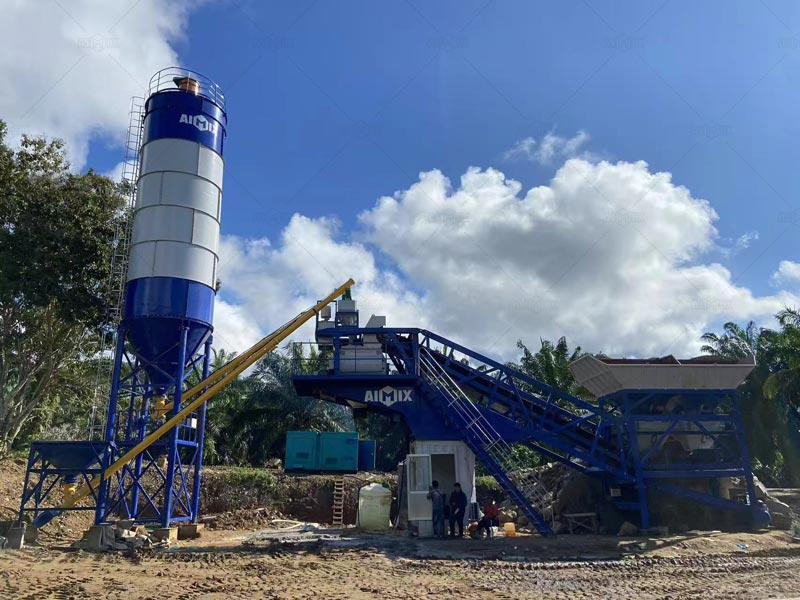
Alarms on a mobile concrete plant(planta de concreto móvil) are designed to alert operators to potential malfunctions or unsafe conditions. While they may seem inconvenient, these alarms play a critical role in protecting equipment and personnel. Alarms typically fall into several categories:
- Electrical Alarms: Triggered by power fluctuations, short circuits, or sensor failures.
- Mechanical Alarms: Indicate issues with the mixer, conveyor belts, or aggregate feeding systems.
- Operational Alarms: Activated when parameters like batch weight, water content, or mixing time exceed preset limits.
- Safety Alarms: Warn of conditions that could endanger personnel, such as overloading or emergency stops.
By recognizing the type of alarm and its corresponding system, operators can respond appropriately and reduce downtime.
Common Alarm Causes and Their Solutions
Electrical System Alarms
Electrical alarms are among the most frequent on mobile concrete plants. Causes may include voltage fluctuations, loose wiring, blown fuses, or sensor malfunctions. To troubleshoot:
- Check the main power supply for stability and voltage consistency.
- Inspect all electrical connections for loose or corroded terminals.
- Replace blown fuses or malfunctioning sensors promptly.
- Use a multimeter to measure continuity and ensure proper current flow.
Regular preventive maintenance on the electrical system can significantly reduce the occurrence of these alarms, ensuring the concrete plant(planta concretera) operates reliably across all shifts.
Mechanical System Alarms
Mechanical alarms often signal issues with moving parts such as mixers, conveyors, or aggregate feeding systems. Common problems include:
- Excessive wear on mixer blades or belts.
- Blockages in the aggregate or cement hopper.
- Improper lubrication leading to friction and overheating.
Solutions include:
- Inspecting and replacing worn or damaged parts.
- Cleaning hoppers, chutes, and conveyors to remove material buildup.
- Applying appropriate lubricants to bearings, gears, and chains regularly.
- Checking belt tension and alignment to prevent slippage or motor overload.
Addressing mechanical issues proactively can prevent costly downtime and extend the lifespan of the plant.
Operational Parameter Alarms
Operational alarms are triggered when a concrete plant deviates from preset parameters such as batch weight, water ratio, or mixing time. These alarms ensure quality control for ready mix concrete production. To resolve:
- Verify that the batch settings match project specifications.
- Calibrate load cells, flow meters, and water dosing systems regularly.
- Check that sensors are clean and free from material residue.
- Ensure operators input correct material quantities and follow the recommended mix design.
Proper training for site personnel is essential, especially for teams managing multiple mobile concrete plants across different locations.
Safety and Emergency Alarms
Safety alarms protect personnel and equipment from dangerous conditions. Common triggers include:
- Overloaded mixer drums or aggregate hoppers.
- Emergency stop activation.
- Exceeding maximum operational speeds or pressures.
Effective solutions include:
- Strict adherence to load limits and operational guidelines.
- Routine inspection of safety switches and emergency stop mechanisms.
- Training personnel to recognize hazards and respond immediately to alarms.
- Implementing a safety checklist before each shift.
By prioritizing safety, contractors protect both their workforce and the investment in a concrete plant for sale(plantas de concreto en venta).
Case Study: Mobile Concrete Plant in Chile
One notable example comes from a concrete plant in Chile deployed for a large highway project. Operators faced frequent alarms due to electrical fluctuations caused by unstable local power supply. The troubleshooting approach included:
- Installing voltage stabilizers and surge protectors to protect sensitive components.
- Routine inspection and cleaning of electrical panels and connections.
- Enhanced operator training to quickly identify and reset alarms without interrupting production.
These measures reduced alarm-related downtime by over 30%, allowing the project to stay on schedule while maintaining consistent concrete quality.
Lessons Learned
From this Chilean experience, several lessons can be applied to other Latin American construction sites:
- Understanding the specific conditions of the local site, such as power supply quality, is critical for preventing electrical alarms.
- Regular maintenance schedules for mechanical components prevent common operational failures.
- Operator training is as important as equipment quality; knowledgeable staff can troubleshoot alarms efficiently and safely.
- Documenting alarm causes and resolutions helps develop a knowledge base for future projects.
Preventive Measures for Alarm Reduction
While troubleshooting is essential, preventive measures are equally important to reduce the frequency of alarms on mobile concrete plants. Recommended practices include:
- Scheduled preventive maintenance for electrical, mechanical, and control systems.
- Regular calibration of sensors, load cells, and dosing systems.
- Thorough operator training and refresher courses.
- Monitoring and recording operational data to identify trends before they trigger alarms.
- Keeping spare parts and maintenance tools on-site for rapid repairs.
By integrating these preventive measures, construction teams can optimize plant performance, minimize downtime, and ensure consistent concrete plant output across multiple projects.
Choosing the Right Plant for Latin American Conditions
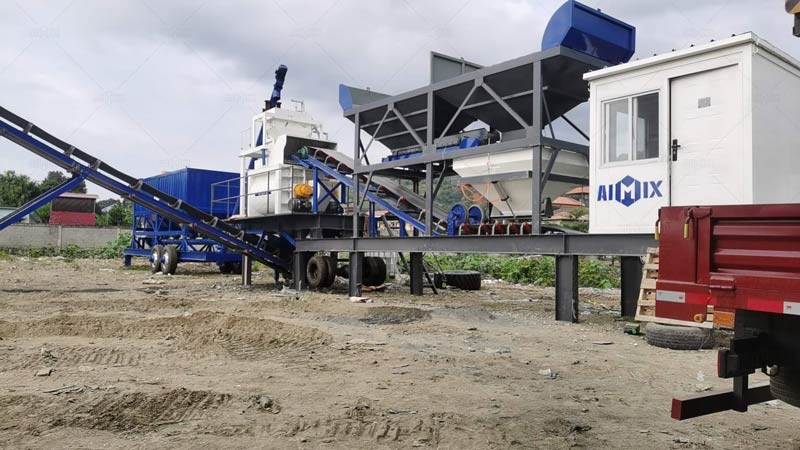
For contractors considering a new purchase, selecting a concrete plant for sale suited for Latin American conditions is critical. Factors to consider include:
- Durability under high temperatures, dust, and humidity.
- Availability of spare parts and local technical support.
- Flexibility of a mobile concrete plant for multiple sites.
- Compliance with local construction and environmental regulations.
- Scalability for future expansion or larger projects.
Investing in a high-quality plant ensures fewer alarms and smoother operations across diverse project sites.
Conclusion
Alarms on mobile concrete plants are inevitable, but understanding their causes and implementing systematic troubleshooting solutions can minimize downtime. From electrical and mechanical issues to operational parameters and safety alerts, a structured approach ensures continuous production and protects personnel. Lessons from a concrete plant in Chile(planta de hormigón en Chile) demonstrate that proactive maintenance, proper training, and site-specific adjustments are key to alarm management. Contractors planning to invest in a concrete plant for sale should prioritize plants designed for Latin American conditions, ensuring reliability, safety, and high-quality concrete output. By adopting these strategies, construction sites can maintain efficiency, reduce operational costs, and achieve project timelines consistently.
Proper troubleshooting combined with preventive measures transforms alarm management from a reactive necessity into a proactive operational strategy for all mobile concrete plants in Latin America.