
Raw Material as the Core Driver of Crusher Plant Preferences
Crusher plants play a vital role in the construction, mining, and infrastructure industries of Malaysia, Saudi Arabia, Nigeria, and Peru, with their equipment preferences directly shaped by the local raw material characteristics. Each country boasts unique geological conditions, leading to distinct dominant raw materials—such as limestone, granite, quartz, and gravel—whose hardness, abrasiveness, and brittleness vary significantly. These differences determine the type, structural design, performance parameters, and even supporting equipment of crusher machines adopted in each region. crusher machine Malaysia, crusher plant in Saudi Arabia machine, stone crusher for sale in Nigeria, and crusher plant in Peru for sale all reflect the regional adaptation to local raw materials. Understanding these preference differences is crucial for equipment suppliers to customize products, and for local investors to build efficient, low-loss crushing projects. This article explores in detail the preference differences of crusher plants in the four countries, focusing on how raw material characteristics drive equipment selection and configuration.
Raw Material Characteristics in Four Countries: The Fundamental Basis for Preferences
The distinct geological environments of Malaysia, Saudi Arabia, Nigeria, and Peru result in vastly different dominant raw materials, laying the foundation for their respective crusher plant preferences. Malaysia, located in Southeast Asia with abundant rainfall and complex terrain, is rich in limestone, gravel, and small amounts of granite. Its raw materials are characterized by moderate hardness (Mohs hardness 3-6), low to moderate abrasiveness, and good brittleness—limestone and gravel account for over 70% of the raw materials used in local crusher plants, mainly for infrastructure construction such as highways and housing. Saudi Arabia, a desert-rich country in the Middle East, has limited water resources and is dominated by hard raw materials such as granite, quartz, and basalt (Mohs hardness 6-8), which are highly abrasive and tough, mainly used in large-scale infrastructure projects and building stone processing. Nigeria, in West Africa, has diverse geological conditions, with dominant raw materials including limestone, laterite, and gravel—these materials have low to moderate hardness (Mohs hardness 3-5), high clay content, and poor abrasiveness, widely used in local housing construction and small-scale road projects. Peru, in South America, is rich in mineral resources and has raw materials such as granite, quartz, and andesite (Mohs hardness 5-7), which are hard, moderately abrasive, and mainly used in mining supporting projects and high-standard infrastructure construction. These raw material differences directly lead to obvious variations in the preferences of crusher plants in the four countries.
Crusher Plant Preferences in Malaysia: Adaptation to Moderate-Hard, Low-Abrasion Raw Materials
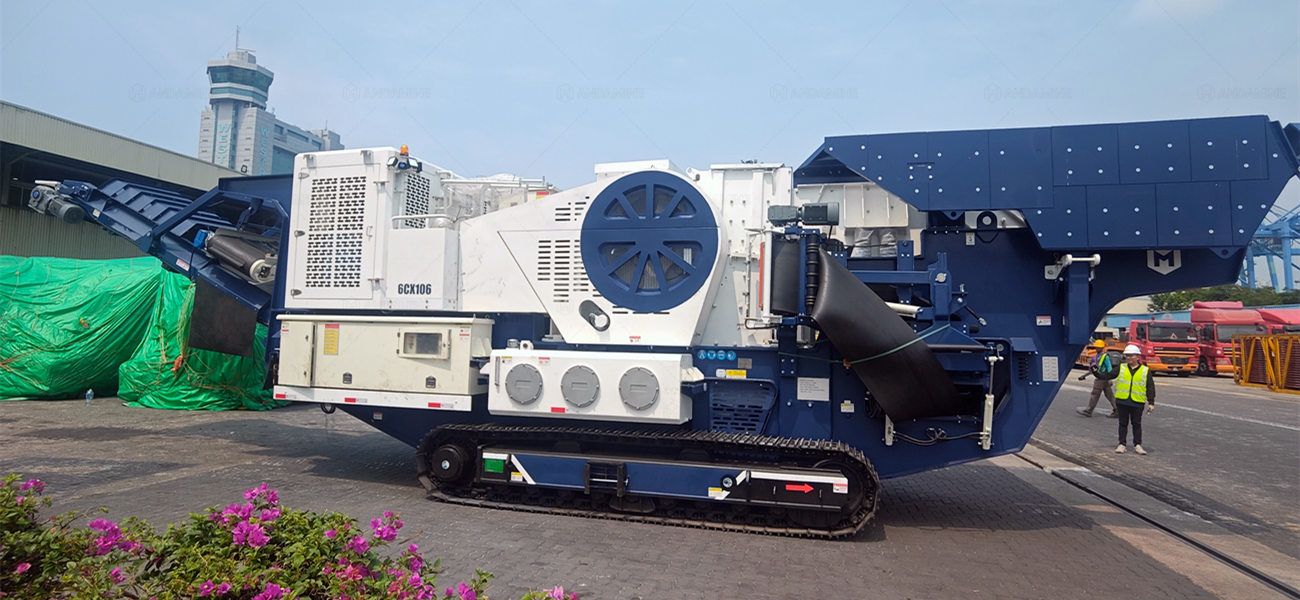
Malaysia’s dominant raw materials (limestone, gravel) with moderate hardness and low abrasiveness determine that crusher machine Malaysia tends to prioritize efficiency, flexibility, and cost control. Local crusher plants mainly adopt jaw crushers for primary crushing and impact crushers for secondary crushing—these two types of equipment are perfectly suited for processing limestone and gravel, with simple structure, easy maintenance, and high production efficiency. Jaw crushers, with their large feeding port and high crushing ratio, can handle large-sized limestone and gravel raw materials, ensuring smooth primary crushing; impact crushers produce cubic aggregates with good particle shape, meeting the requirements of local infrastructure construction aggregates. Due to the low abrasiveness of raw materials, the vulnerable parts (liners, hammer heads) of crusher machine Malaysia can be made of general wear-resistant materials (such as manganese steel), which reduces equipment maintenance costs. In addition, considering Malaysia’s narrow construction sites and scattered raw material mining areas, mobile crusher machines are highly favored—they can be flexibly moved between mining areas and construction sites, avoiding the trouble of fixed plant construction and reducing transportation costs of raw materials. Most crusher plants in Malaysia also configure simple supporting equipment (vibrating feeders, vibrating screens, conveyor belts) without complex dust removal or pre-screening devices, as the low dust generation and low impurity content of local raw materials do not require excessive auxiliary treatment.
Crusher Plant Preferences in Saudi Arabia: Focus on Wear Resistance for Hard, High-Abrasion Raw Materials
The hard, high-abrasiveness raw materials (granite, quartz) in Saudi Arabia require crusher plant in Saudi Arabia machine to emphasize wear resistance, high crushing force, and stability. Unlike Malaysia’s crusher machines, local crusher plants mainly adopt hydraulic cone crushers and heavy-duty impact crushers—these equipment types have strong crushing force and ultra-wear-resistant components, which can effectively handle the high-hardness raw materials in Saudi Arabia. Hydraulic cone crushers, with their narrow and long crushing chamber and high crushing ratio, can fully crush hard granite and quartz, ensuring uniform product size; their liners are made of high-chromium alloy, which significantly extends the replacement cycle and reduces the frequency of vulnerable part replacement. Heavy-duty impact crushers for crusher plant in Saudi Arabia machine are equipped with thickened hammer heads and impact plates, enhancing wear resistance and avoiding equipment damage caused by high-abrasion raw materials. In addition, due to the large-scale infrastructure projects in Saudi Arabia (such as high-speed railways and skyscrapers), local crusher plants tend to adopt large-scale fixed crusher lines, with high production efficiency (above 300t/h) to meet the large demand for aggregates. Supporting equipment is also more complex: pre-screening machines are configured to remove impurities and small particles in raw materials, reducing unnecessary wear to the main crusher; high-efficiency dust removal equipment is installed to meet environmental protection requirements, as the crushing of granite and quartz generates a large amount of dust. Local crusher plants also pay attention to energy-saving performance, as Saudi Arabia’s high energy prices prompt equipment to adopt energy-saving hydraulic systems and motor configurations to reduce operational costs.
Crusher Plant Preferences in Nigeria: Adaptation to Low-Hardness, High-Clay Raw Materials
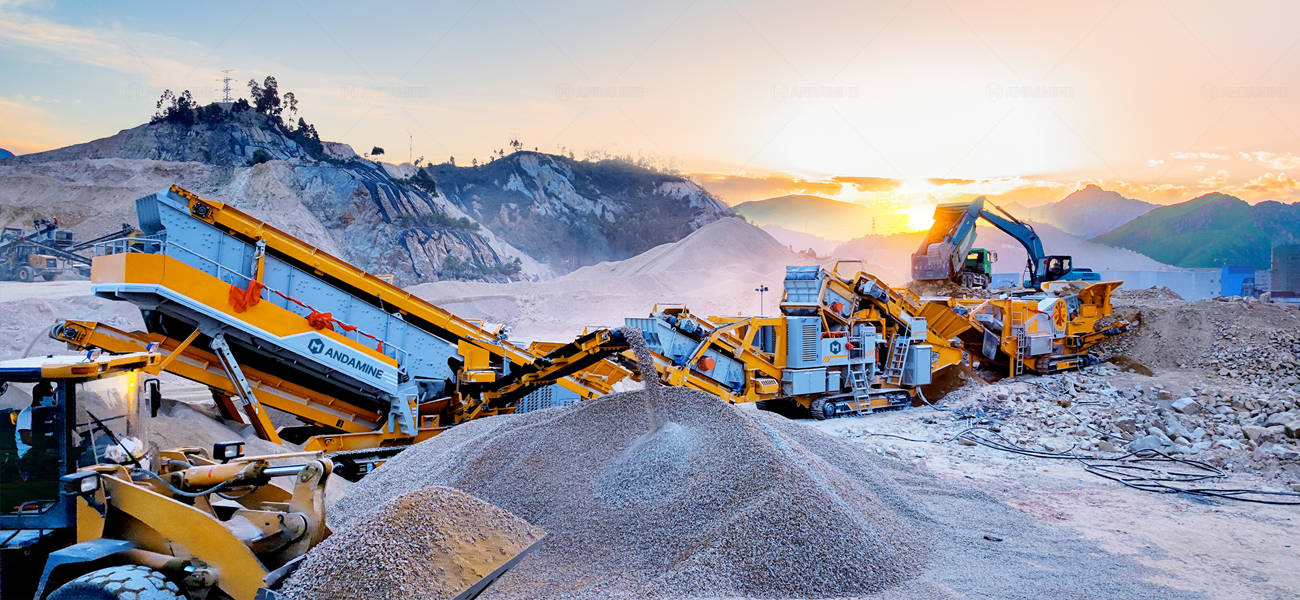
Nigeria’s raw materials (limestone, laterite, gravel) with low hardness, high clay content, and low abrasiveness determine that stone crusher for sale in Nigeria focuses on anti-blocking performance, simplicity, and cost-effectiveness. Local investors prefer affordable, easy-to-operate crusher machines, with jaw crushers and light-duty impact crushers being the mainstream choices—these equipment types have simple structure, low investment cost, and easy maintenance, which are suitable for Nigeria’s small and medium-sized crusher plants. Jaw crushers are used for primary crushing, with a large feeding port to avoid blocking caused by the high clay content of raw materials (laterite and gravel with clay are prone to agglomeration); light-duty impact crushers are used for secondary crushing, which can crush low-hardness raw materials efficiently and produce aggregates that meet local housing construction requirements. Stone crusher for sale in Nigeria also pays special attention to the anti-blocking design of the crushing chamber: the cavity wall is smooth, and the discharge port is adjustable, which can effectively prevent raw materials from sticking to the cavity wall and causing blocking. Due to the high clay content of raw materials, local crusher plants configure washing equipment (such as wheel washers) to clean the finished aggregates, removing clay impurities and improving product quality. Most crusher plants in Nigeria are small and medium-sized, with low production efficiency (50-150t/h), and supporting equipment is simple and practical—vibrating feeders with anti-slip and anti-blocking functions, and conveyor belts with anti-sticking liners are widely used. In addition, due to the unstable power supply in Nigeria, many stone crushers for sale in Nigeria are equipped with diesel generator sets to ensure continuous operation.
Crusher Plant Preferences in Peru: Balance of Wear Resistance and Versatility for Diverse Raw Materials
Peru’s diverse raw materials (granite, quartz, andesite) with moderate to high hardness and moderate abrasiveness make crusher plant in Peru for sale focus on versatility, wear resistance, and adaptability. Local crusher plants adopt a combination of cone crushers and impact crushers, which can handle different types of raw materials and meet the needs of various projects (mining supporting, infrastructure, building materials). Cone crushers are used for crushing high-hardness raw materials (granite, quartz), ensuring wear resistance and crushing effect; impact crushers are used for crushing moderate-hardness raw materials (andesite), producing high-quality aggregates with good particle shape. Crusher plant in Peru for sale also pays attention to the flexibility of equipment: many plants adopt semi-mobile crusher lines, which can be moved according to the location of raw material mining areas, balancing the advantages of fixed and mobile crusher plants. Supporting equipment is moderately complex: pre-screening machines are configured to classify different types of raw materials, facilitating targeted crushing; dust removal equipment and washing equipment are installed to meet environmental protection requirements and product quality standards. Due to Peru’s rich mineral resources, some crusher plants are supporting mining projects, requiring crusher machines to have strong adaptability to different mineral-associated raw materials—for example, crushers used in quartz mining areas are equipped with more wear-resistant components, while those used in andesite mining areas focus on production efficiency. Local crusher plants also pay attention to the durability of equipment, as the remote mining areas in Peru make maintenance difficult, so equipment is required to have stable performance and long service life.
Comparative Analysis of Preferences and Core Influencing Factors
The preference differences of crusher plants in Malaysia, Saudi Arabia, Nigeria, and Peru are essentially driven by raw material characteristics, supplemented by factors such as local project scale, economic level, and environmental protection requirements. Crusher machine Malaysia focuses on flexibility and cost control, adapted to moderate-hard, low-abrasion raw materials and scattered construction sites; crusher plant in Saudi Arabia machine emphasizes wear resistance and large-scale production, catering to hard, high-abrasion raw materials and large-scale infrastructure projects; stone crusher for sale in Nigeria pursues simplicity and cost-effectiveness, suitable for low-hardness, high-clay raw materials and small and medium-sized projects; crusher plant in Peru for sale balances versatility and wear resistance, adapting to diverse raw materials and mixed project needs. In terms of equipment type selection: Malaysia favors jaw crushers + impact crushers (mobile type); Saudi Arabia prefers hydraulic cone crushers + heavy-duty impact crushers (fixed large-scale); Nigeria mainly uses jaw crushers + light-duty impact crushers (small-sized); Peru adopts cone crushers + impact crushers (semi-mobile). In terms of supporting equipment: Saudi Arabia and Peru have more complex configurations, while Malaysia and Nigeria focus on simplicity and practicality. These differences also provide guidance for equipment suppliers: when promoting crusher machine Malaysia, stone crusher for sale in Nigeria, crusher plant in Saudi Arabia machine, and crusher plant in Peru for sale, they need to customize products according to local raw material characteristics to improve market competitiveness.
In conclusion, the preference differences of crusher plants in Malaysia, Saudi Arabia, Nigeria, and Peru are closely related to local raw material characteristics. Each country’s crusher equipment selection, configuration, and performance requirements are tailored to the hardness, abrasiveness, and impurity content of local raw materials, while also considering factors such as project scale and economic conditions. For equipment suppliers and investors, understanding these differences is key to achieving efficient, low-cost, and high-quality crushing operations, and promoting the healthy development of the local crushing industry.